Bangladesh is a country of warm hospitality, rich culture, natural beauty, vibrant traditions, rivers, hills, forests, tea gardens, heritage sites, and unforgettable local experiences. Whether you are visiting for leisure, business, photography, cultural exploration, or nature-based travel, proper preparation will help you enjoy a smooth and comfortable journey.
This guide covers the essential travel information every foreign tourist should know before visiting Bangladesh, including the best travel seasons, weather, clothing, health and safety tips, internet access, currency, transportation, food, visa information, domestic flight baggage rules, alcohol policy, and cultural etiquette.
Best Time to Visit Bangladesh
Bangladesh has six seasons, but for travelers, three periods are especially important: the dry and cool season, the monsoon season, and the fruit season.
1. Dry & Cool Season: October to March
The dry and cool season is considered the best time to visit Bangladesh. During this period, the weather is pleasant, humidity is lower, and outdoor travel becomes more comfortable.
The temperature usually ranges from around 11°C to 20°C, depending on the location. Mornings and evenings can feel cool, especially in Dhaka, North Bengal, and the Chattogram Hill Tracts.
This season is ideal for:
- City tours
- Cultural visits
- Heritage exploration
- Trekking
- Tea garden visits
- Wildlife spotting
- River and village tours
- Photography trips
Travelers are advised to carry light warm layers, such as a cardigan or light jacket, especially for evening activities.
2. Monsoon Season: June to September
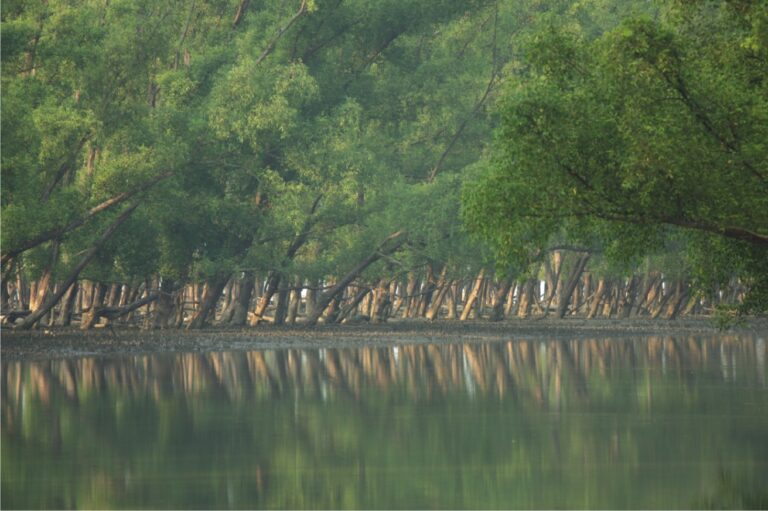
The monsoon season is one of the most beautiful times to experience Bangladesh’s natural water landscapes. The country becomes greener, rivers become fuller, and rural scenery becomes more dramatic and photogenic.
Annual rainfall can range from approximately 160cm to 400cm, depending on the region. During this season, visitors can enjoy overflowing rivers, floating water lilies, boat movement, clear water reflections, and lush rural landscapes.
The monsoon season is especially rewarding for:
- Nature lovers
- Photographers
- River cruise travelers
- Rural tourism enthusiasts
- Visitors interested in authentic local life
Travelers should carry umbrellas, waterproof shoes, quick-dry clothing, and waterproof bags for cameras and electronics.
3. Fruit Season: May to August
The fruit season is a wonderful time for food-loving travelers. Bangladesh produces many delicious tropical fruits during this period.
Popular seasonal fruits include:
- Mango
- Litchi
- Jackfruit
- Pineapple
- Banana
- Guava
- Other regional fruits
Visitors traveling during this season can enjoy fresh local fruits in markets, villages, roadside stalls, and rural destinations.
Weather & Temperature Guide
Bangladesh has different weather patterns throughout the year. Travelers should pack according to the season and destination.
Winter: November to February
Winter brings cool mornings and evenings. Nights can feel chilly in Dhaka, North Bengal, and the Chattogram Hill Tracts. Light jackets, sweaters, or shawls are useful during this time.
Summer: March to June
Summer is hot and humid. Lightweight, breathable clothing is recommended. Cotton clothes, sunglasses, sunscreen, and a water bottle are useful for city tours and outdoor travel.
Monsoon: June to September
The monsoon season brings frequent rain. Waterproof shoes, umbrellas, raincoats, and waterproof bags are recommended. Travel times may vary due to rain and road conditions, especially in rural or hilly areas.
Clothing Recommendations for Bangladesh
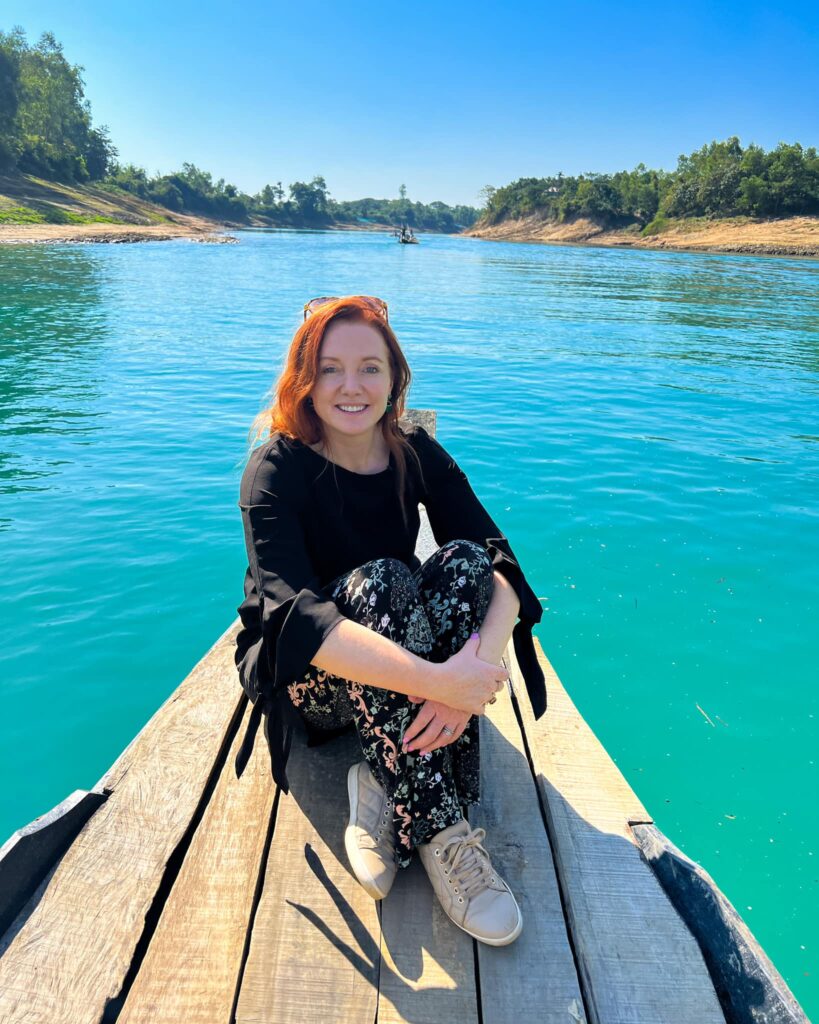
Bangladesh is a culturally conservative country. Modest clothing is appreciated, especially in religious places, rural areas, and traditional communities.
Clothing Tips for Women
Women are advised to wear loose-fitting clothing that covers the shoulders and legs. A light scarf is useful for mosque visits, village tours, and sun protection.
Recommended items include:
- Long dresses
- Loose trousers
- Long skirts
- Tunics
- Light scarves
- Comfortable sandals or walking shoes
It is best to avoid tight, short, or revealing outfits, especially outside major city areas.
Clothing Tips for Men
For men, jeans, trousers, T-shirts, polo shirts, and shirts are common. Shorts may be acceptable in some casual places, but trousers are preferred when visiting cultural sites, religious places, villages, and formal locations.
Recommended items include:
- Lightweight trousers
- Cotton shirts
- Polo shirts
- Comfortable walking shoes
- Sandals or slip-ons
General Footwear Tips
Carry comfortable walking shoes for tours. Slip-ons or sandals are also helpful because visitors may need to remove shoes before entering mosques, temples, homes, or religious places.
Health, Hygiene & Safety Tips
Bangladesh is generally safe for travelers, and foreign visitors often experience warm hospitality from local people. However, it is always wise to carry basic health and hygiene items.
Recommended items include:
- Basic first aid kit
- Antiseptic cream or liquid
- Antibiotics, if advised by your doctor
- Mosquito repellent
- Sunscreen
- Hand sanitizer
- Personal medicines
- Personal hygiene products
- Travel tissues
- Rehydration salts
- Stomach medicine, if recommended by a doctor
Female travelers should note that tampons may not be widely available in Bangladesh. Bringing a menstrual cup, reusable products, or preferred personal hygiene items is recommended.
Mosquito repellent is especially useful in the evening, near water areas, forests, gardens, and rural destinations.
Electricity & Travel Adaptors
Bangladesh mostly uses Type C and Type D plugs. The standard voltage is 220V, and the frequency is 50 Hz.
Travelers should bring:
- A universal travel adapter
- A power bank
- Multi-plug charger
- Extra charging cables
A power bank is useful during long drives, rural tours, domestic flights, and full-day sightseeing programs.
Internet & Mobile Connectivity
Wi-Fi is available in most hotels, especially in major cities and tourist areas. However, internet speed may vary depending on location.
Local SIM cards are available at airports and mobile operator stores. Popular mobile operators include:
- Grameenphone
- Robi
- Banglalink
Local SIM cards usually offer affordable data packages. A passport and photo may be required for SIM registration.
For smoother travel communication, foreign tourists are advised to keep mobile data active, especially when using maps, ride-sharing apps, messaging apps, or online payment services.
Water & Sustainability Tips
Travelers should drink bottled or purified water in Bangladesh. Tap water is not recommended for drinking.
Helpful water and sustainability tips:
- Drink bottled water or filtered water
- Avoid drinking tap water
- Carry a reusable water bottle where possible
- Reduce plastic use when convenient
- Carry a reusable shopping bag
- Dispose of plastic responsibly
- Avoid littering in natural areas, rivers, hills, and heritage sites
Responsible travel helps protect Bangladesh’s natural beauty and local environment.
Currency & Payments in Bangladesh
The local currency is the Bangladeshi Taka, known as BDT.
Tourism-related payments may sometimes accept USD, especially for hotels, tour operators, and travel services. However, local currency is necessary for markets, small shops, local transport, food stalls, and rural areas.
Payment tips:
- ATMs are available in major cities
- Credit cards are accepted in many hotels, restaurants, and shopping malls
- Cash is recommended for rural areas and small vendors
- Carry small notes for local purchases
- Keep emergency cash separately
- Exchange money from authorized money exchange counters or banks
Travelers should avoid exchanging money from unknown street sources.
Transportation Options in Bangladesh
Bangladesh offers several transportation options for tourists depending on destination, comfort level, and travel style.
Common transport options include:
- Private cars
- Microbuses
- SUVs
- Larger tourist coaches
- Ride-sharing apps
- Domestic flights
- Boats and launches in river areas
- Rickshaws and CNG auto-rickshaws in cities
Ride-sharing apps like Pathao and Uber operate in major cities, especially Dhaka and Chattogram.
Domestic flights connect Dhaka with important destinations such as:
- Cox’s Bazar
- Sylhet
- Chattogram
- Jessore
- Saidpur
- Rajshahi
- Barishal
For foreign tourists, private transport with a local driver or guide is often the most comfortable and reliable option.
Culture & Etiquette in Bangladesh
Bangladeshis are known for being warm, welcoming, respectful, and friendly. Many travelers remember Bangladesh for its hospitality and the kindness of local people.
To enjoy a respectful and smooth travel experience, visitors should follow basic cultural etiquette.
Important etiquette tips:
- Remove shoes before entering religious places
- Ask permission before photographing local people
- Dress modestly in rural and religious areas
- Avoid public displays of affection
- Respect local customs and traditions
- Be patient in traffic and public places
- Use polite greetings when meeting people
- Respect prayer times and religious environments
Bangladesh is often called a land of smiles because of its friendly people and welcoming attitude toward guests.
Food & Cuisine in Bangladesh
Bangladesh offers rich, flavorful, and diverse cuisine. Food is an important part of the travel experience, and visitors can enjoy traditional meals, street food, fresh river fish, and world-famous tea.
Popular Bangladeshi foods include:
- Biriyani
- Bhuna Khichuri
- Fresh river fish
- Kebabs
- Rice and curry
- Lentils
- Local vegetables
- Fuchka
- Chotpoti
- Paratha
- Traditional sweets
- Tea from Sylhet tea gardens
Street foods like fuchka and chotpoti are popular, but travelers with sensitive stomachs should choose clean and trusted places.
Bangladeshi food can be spicy. If you are sensitive to spices, inform restaurants in advance and request mild food.
Emergency Contacts in Bangladesh
For police, fire service, or ambulance support, dial:
999
This is the national emergency number in Bangladesh.
For tourist emergencies, travelers should immediately contact their local guide, tour coordinator, hotel reception, or travel operator.
It is also recommended to keep copies of:
- Passport
- Visa
- Travel insurance
- Hotel booking
- Emergency contact number
- Local coordinator’s number
Visa on Arrival in Bangladesh
Citizens from many countries may be eligible for Visa on Arrival in Bangladesh for tourism, business, investment, or official duty. Eligible travelers may include citizens from Europe, USA, Canada, Australia, Russia, China, Japan, South Korea, GCC countries, and several other nations.
Foreign investors, business travelers, Bangladeshi-origin foreign nationals, spouses and children of Bangladeshi-origin individuals, diplomats, UN officials, and travelers on official duty may also qualify under specific conditions.
General Visa on Arrival Requirements
Travelers may need to show the following documents at the immigration counter:
- Valid passport
- Return ticket
- Proof of funds, such as USD 500 cash or credit card
- Hotel booking or invitation letter
- Passport-size photos
- Visa fee in cash
- Business or official invitation, if applicable
The Visa on Arrival fee is usually around USD 50 to USD 51, payable in cash. USD, Euro, or Pound Sterling may be accepted.
After document verification, the immigration officer may issue a 30-day single-entry Visa on Arrival.
Eligible Countries & Groups
Visa on Arrival may be available for citizens or travelers from the following groups:
- USA
- UK
- Canada
- Australia
- New Zealand
- Russia
- China
- Japan
- South Korea
- Singapore
- Malaysia
- Brunei
- UAE
- Saudi Arabia
- Qatar
- Kuwait
- Oman
- Bahrain
- Egypt
- Turkey
- Brazil
- European countries
- Countries where Bangladesh does not have an embassy or mission
- Foreign investors and traders with proper invitation
- Foreign nationals of Bangladeshi origin
- Spouses and children of Bangladeshi-origin foreign nationals
- Diplomats, UN staff, and travelers on official government duty
Visa on Arrival Country Groups
North America & Oceania:
USA, Canada, Australia, New Zealand
Europe:
All European countries
Asia & Eurasia:
China, Japan, Russia, South Korea, Singapore, Malaysia, Brunei, and others
Middle East, GCC & West Asia:
United Arab Emirates, Saudi Arabia, Qatar, Kuwait, Oman, Bahrain, Egypt, Turkey
Selected Other Countries:
Some South American or other countries may qualify in special cases, especially for business, investment, or official travel purposes.
Useful Official Links
Bangladesh Ministry of Foreign Affairs:
https://mofa.gov.bd/
Bangladesh Tourism Board:
https://tourismboard.gov.bd/
Visa on Arrival PDF:
https://tourismboard.portal.gov.bd/sites/default/files/files/tourismboard.portal.gov.bd/page/c3cc133b_f50e_4909_94f1_af1404ff5e6f/Visa%20on%20Arrival.pdf
Visa rules can change, so travelers should always check the latest information with the Bangladesh Ministry of Foreign Affairs, Bangladesh Tourism Board, or the nearest Bangladesh mission before travel.
Domestic Airlines in Bangladesh & Baggage Allowances
Bangladesh has several domestic airlines operating flights to major tourist and business destinations. Popular domestic routes connect Dhaka with Cox’s Bazar, Chattogram, Sylhet, Saidpur, Jessore, Rajshahi, Barishal, and other cities.
1. Biman Bangladesh Airlines
Cabin baggage:
- 1 piece
- 7 kg
Checked baggage:
- Economy Class: 20 kg
- Business Class: 30 kg
2. US-Bangla Airlines
Cabin baggage:
- 1 piece
- 7 kg
Checked baggage:
- Economy Class on domestic routes: 20 kg
- Business Class, where applicable: 30 kg
3. NOVOAIR
Cabin baggage:
- 1 piece
- 7 kg
Checked baggage:
- Economy Class: 20 kg
- Business Class on limited routes: 30 kg
General Domestic Flight Notes
Travelers should keep the following points in mind:
- Excess baggage charges may apply if baggage exceeds the allowance
- Infants under 2 years may have 0–10 kg baggage allowance depending on the airline
- Sporting equipment and oversized items may have special charges
- Power banks must usually be carried in cabin baggage
- Lighters and restricted items must follow airline safety rules
- Airlines may update baggage rules, so it is best to recheck before travel
Alcohol Policy in Bangladesh: Short Guide for Foreign Tourists
Bangladesh follows a controlled alcohol regulation system. Alcohol is not freely available in general markets due to cultural and religious norms. However, foreign tourists can legally purchase and consume alcohol under certain conditions.
Where Foreign Tourists Can Buy Alcohol
Foreign tourists may be able to purchase alcohol from:
- Duty-free shops at Dhaka Airport
- Licensed bars in international hotels
- Selected licensed liquor shops
- Licensed clubs
The duty-free shop at Dhaka Airport is usually one of the easiest and most convenient options upon arrival.
International Hotels with Licensed Bars
Many 5-star and some 4-star hotels have licensed bars. Examples include:
- InterContinental Dhaka
- Pan Pacific Sonargaon Dhaka
- The Peninsula Chittagong
- Radisson Blu Chattogram Bay View
- Other licensed hotels in major cities
Availability Outside Major Cities
In tourist areas such as Bandarban, Sylhet, and Khagrachari, not all hotels have bars. For example, Hotel D’More in Bandarban does not have an alcohol bar.
Foreign tourists may purchase alcohol from Dhaka or Chattogram and carry it for personal use, subject to legal limits and regulations.
Important Alcohol Policy Notes
Travelers should remember:
- Alcohol is regulated in Bangladesh
- It is mainly allowed for foreigners with passport identification
- Public drinking is not allowed
- Consumption should be inside hotels, licensed areas, or private premises
- Prices vary by hotel and city
- Do not drink in public places
- Do not carry large quantities
- Only personal-use quantities should be carried
- Respect local culture and religious sensitivity
Bangladesh is a Muslim-majority country, so visitors should be discreet and respectful regarding alcohol consumption.
Final Travel Notes
Bangladesh offers a beautiful blend of nature, culture, history, food, rivers, hills, hospitality, and authentic local experiences. From the tea gardens of Sylhet to the beaches of Cox’s Bazar, from the waterways of rural Bangladesh to the hill districts of Chattogram, the country has many memorable experiences for international visitors.
With proper preparation, respectful behavior, and reliable local coordination, your stay in Bangladesh can be safe, comfortable, meaningful, and enjoyable.
For any assistance during your travel, contact your guide, tour operator, hotel, or local coordinator.
Thanks & Regards,
M. Rafiqul Islam (Nasim)
Tourism & Service Professional
Since 1996
LinkedIn: www.linkedin.com/in/rafiqulislamnasim
Email: info@bengallogistics.org / bengal_logistics@yahoo.com
Web: www.bengallogistics.org / www.bengaltours.com
Posted by Bengal Logistics Ltd.

Plan your business visit, project operation or field assignment in Bangladesh.
The Bengal Logistics Ltd. supports foreign delegations, development organizations, media teams, research groups and corporate clients with reliable ground support.